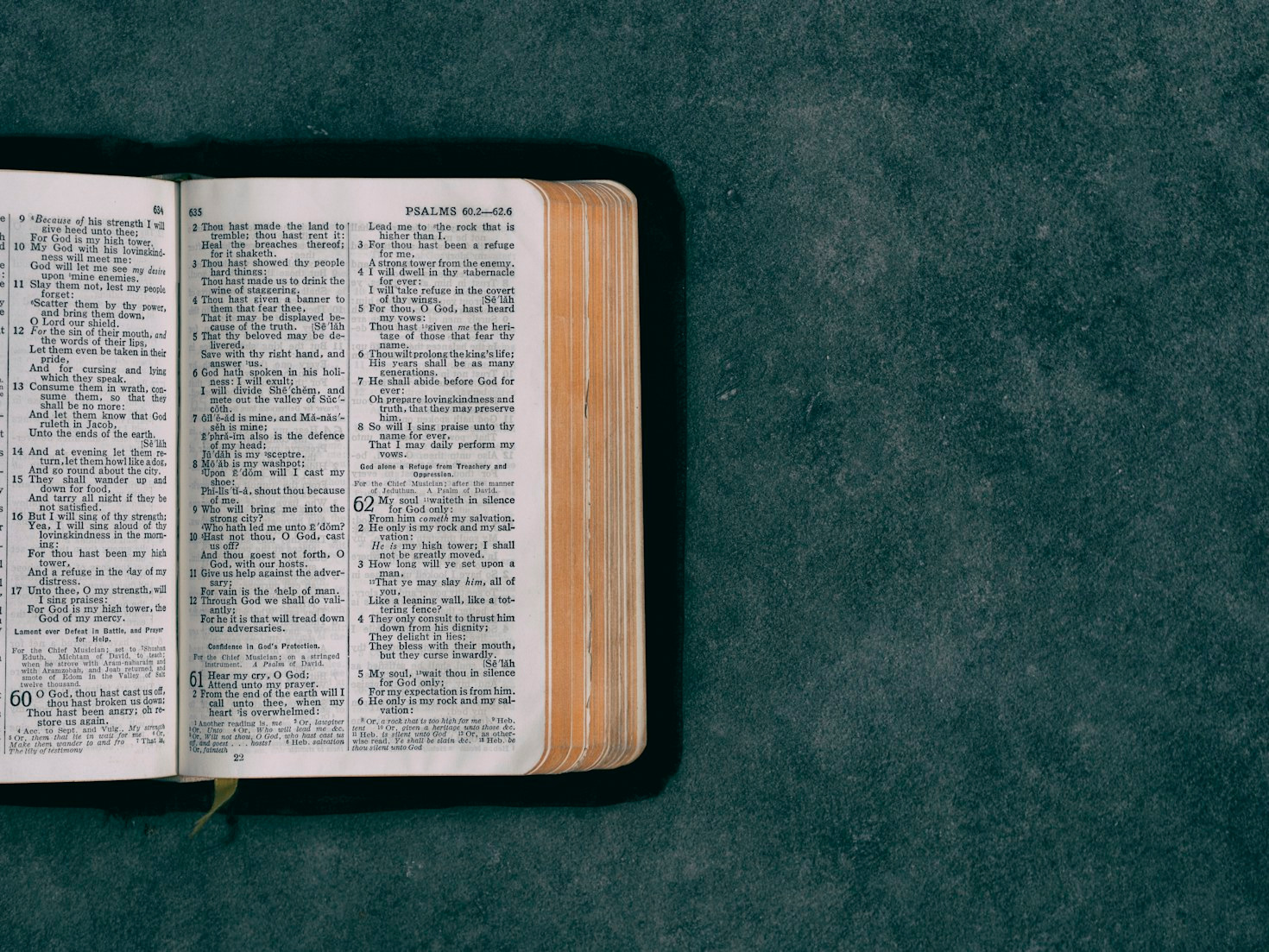
SCRIPTURE John 15:1–10 “I am the true vine, and my Father is the husbandman. Every branch in me that beareth not fruit he taketh away: and every branch that beareth fruit, he purgeth it, that it may bring forth more fruit. Now ye are clean through the word which I have spoken unto you. Abide in me, and I in you. As the branch cannot bear fruit of itself, except it abide in the vine; no more can ye, except ye abide in me. I am the vine, ye are the branches: He that abideth in me, and I in him, the same bringeth forth much fruit: for without me ye can do nothing. If a man abide not in me, he is cast forth as a branch, and is withered; and men gather them, and cast them into the fire, and they are burned. If ye abide in me, and my words abide in you, ye shall ask what ye will, and it shall be done unto you. Herein is my Father glorified, that ye bear much fruit; so shall ye be my disciples. As the Father hath loved me, so have I loved you: continue ye in my love. If ye keep my commandments, ye shall abide in my love, even as I have kept my Father’s commandments, and abide in his love.”
COMMENTARY Jesus told His disciples (the faithful eleven, after Judas Iscariot had left) that there are unfruitful (that is those that produced no fruit) branches that God the Father will take away (remove), and that these branches are burned. The branches taken away are destined for the lake of fire. He says quite clearly that these branches are believers that are in Him [v2] which will be taken away, by the Father, because they refuse to bear fruit for Him and is consistent with other passages in Scripture which reference the same (Romans 11:17-24). He is counseling His faithful (believing) disciples to continue in Him. Jesus said the same would happen (the kingdom would taken away) from those who refused to produce its fruit (Matthew 21:43). This again address the folly of those who think that the entire gospel can be reduced to the idea of “believe (acknowledgement) and be saved.”
By extension, Jesus commands all believers to abide in Him, a commandment we see throughout the epistles. This commandment makes no sense if we cannot ever depart from Him, as both Reformed Theology and the doctrine of guaranteed, unconditional eternal security assert. We have the responsibility to abide in Christ, which we do by submitting to the leading of the Holy Spirit. He concludes the passage by telling us that we are to keep His commandments in order to abide in His love. Any teaching (such as eternal security teachings) that a believer has no responsibility for his salvation after first accepting Christ contradicts this passage.