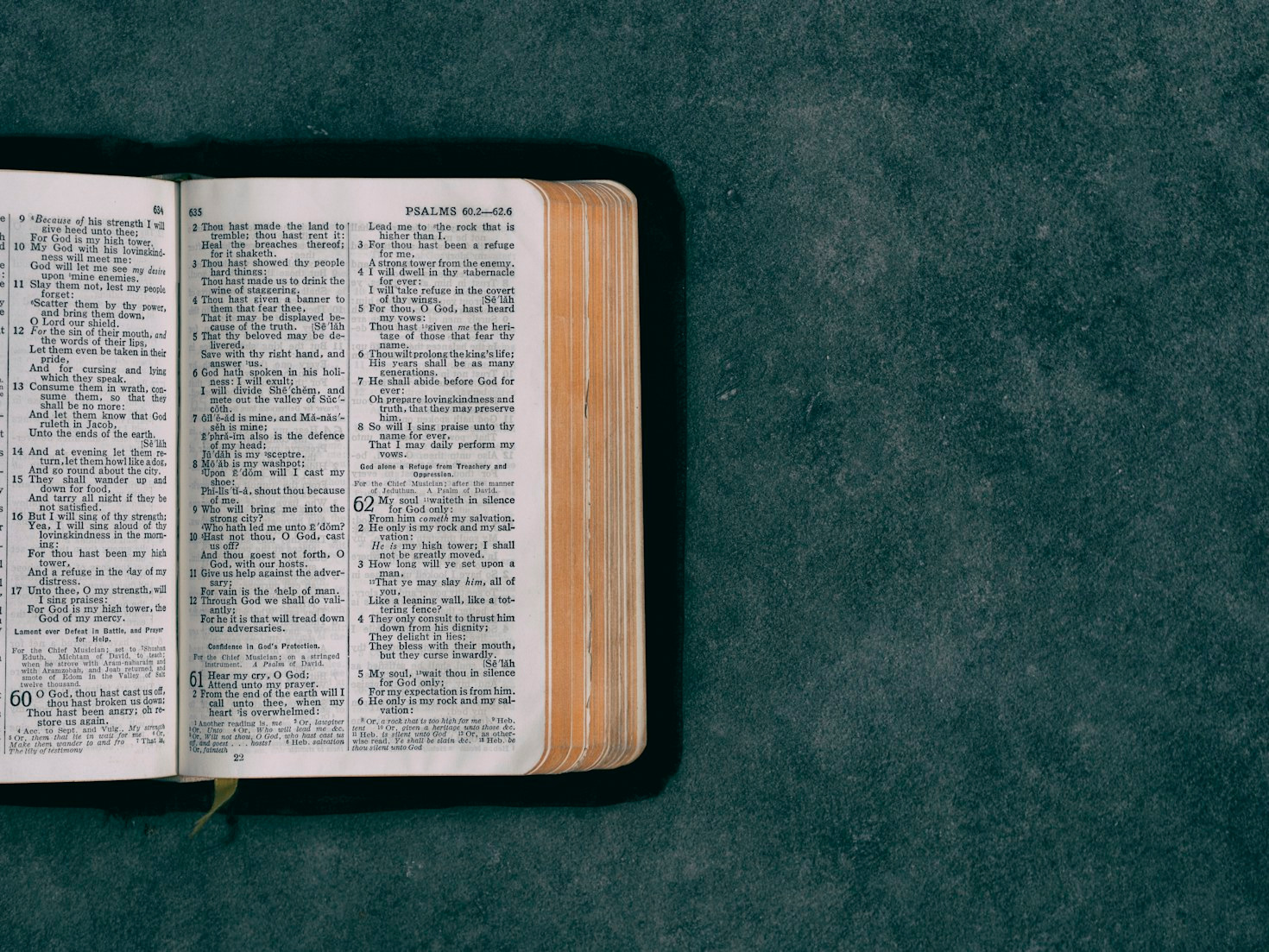
SCRIPTURE John 3:16 “For God so loved the world, that he gave his only begotten Son, that whosoever believeth in him should not perish, but have everlasting life.”
COMMENTARY Teaches that those who believe in Jesus Christ will have everlasting life. The two key issues in this passage are: (1) what happens when one ceases to believe, and (2) what does the word “believes” or “believeth” really mean? Here the Greek tense of “believeth” is the continuous present tense, meaning something that we are currently doing, not something done in the past. In the Greek (as in most other languages), present tense verbs notate duration, not a one-time event. This verse is more accurately rendered as “For God so loved the world that he gave his only Son, that whoever goes on believing in him should not perish, but have eternal life.”
Often this verse is cited as justification that those who have truly believed (at any moment in the past) have life everlasting, regardless of whether they are currently believing or not. But a proper translation of the verse indicates that only those who continue believing have the chance of eternal life. There is no reason to use the Greek present tense if punctiliar belief is all that is required. Hence the possibility of losing faith (and eternal life) is actually raised in this passage, not denied. Finally, other places in Scripture shows that faith is not a mental ascent, or an acknowledgement but a true belief which changes actions.
Also, as we have seen elsewhere, although eternal life is given to us even now, eternal life is not fully consummated during this life. We see this based on two specific types of teachings and a general observation. First, eternal life is awarded at the judgment (ex. Romans 2:6-8 and others) not now. This is the consummated eternal life. Second, eternal life is said to be something we reap (Galatians 6:7-9) depending on what we sow to. In Galatians 6:7-9, the reaping of eternal is a future tense verb meaning we actually have consummated eternal life in the future, not now. Finally it should be noted that our existing bodies are unsuitable to eternal life. Thus, any argument that says we fully have eternal life now. disregards the many teachings of Scripture.