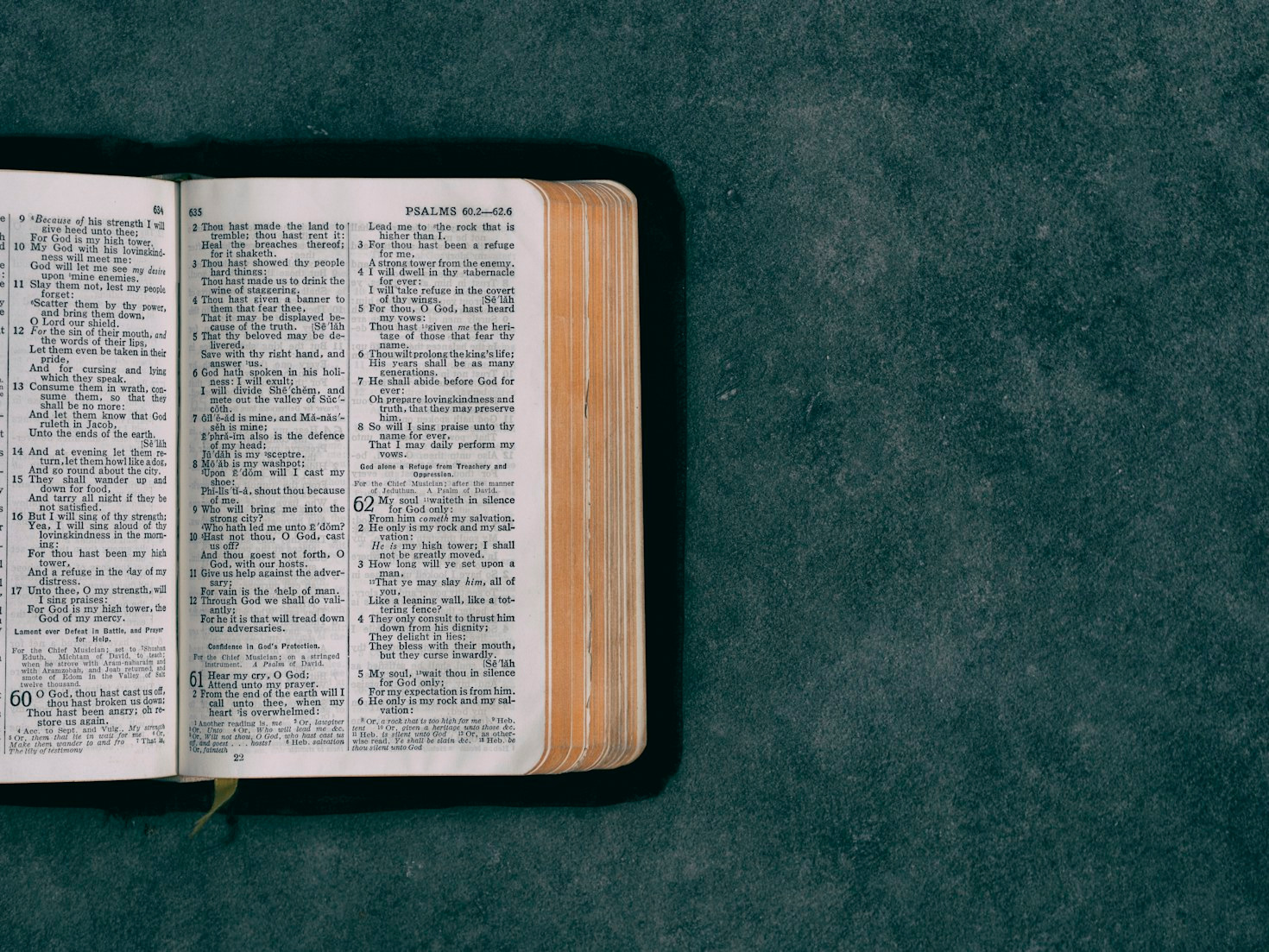
SCRIPTURE “Verily, verily, I say unto you, He that heareth my word, and believeth on him that sent me, hath everlasting life, and shall not come into condemnation; but is passed from death unto life.”
COMMENTARY While it might seem there are multiple affirmations of eternal security in this passage, we must examine it more closely. First, the word believeth is in the continuous present tense meaning that the tense of the passage is affecting the current time, not the future time. We must continue to be faithful to receive what is in the second parts of the passage. Second, we have already seen that although we have a modicum of eternal life now, that life is not fully consummated until after we appear before our Lord; this is normally stated as “already, but not yet” by theologians. Third, the phrase “shall not come into condemnation” sounds like a future tense promise but is actually another present tense verb. This means that as long as we are believing (and again belief is not simple intellectual acknowledgement), we shall not come into condemnation. It says nothing about the future. Fourth and finally, “passed” is a perfect tense verb reflecting the change in state from death to life (and is consistent with the state of eternal life we currently have). But as we have discussed elsewhere, the idea of a perfect tense verb is an event that happened in the past with continuing results. However, it is not designed to mean that those continuing results are guaranteed, regardless of what happens after the initial event.
Thus, read consistently with the underlying language, the idea is they that hear God’s word and remain faithful, currently have initial eternal life, and will not come into condemnation as long as they remain faithful, having passed from death to life.