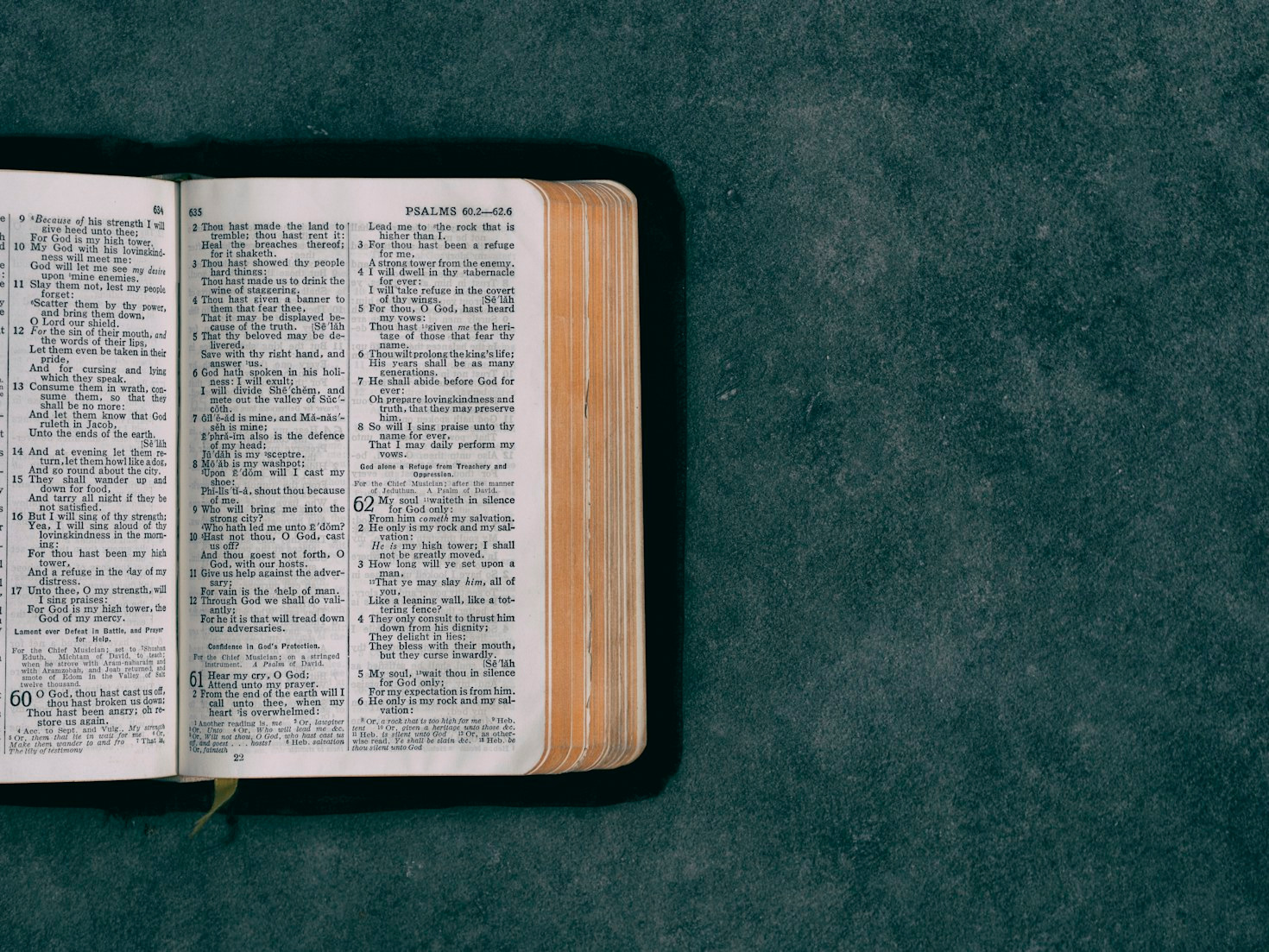
SCRIPTURE John 6:39–40 “And this is the Father’s will which hath sent me, that of all which he hath given me I should lose nothing, but should raise it up again at the last day. And this is the will of him that sent me, that every one which seeth the Son, and believeth on him, may have everlasting life: and I will raise him up at the last day.”
COMMENTARY Much like John 3:16, this passage teaches that it is the Father’s will that none who go on believing in the Son (again, Greek continuous present tense) should be lost, and may (not guaranteed) have everlasting life. Jesus then promises to raise the faithful believer “at the last day.” So, a more accurate reading would be: For this continues to be the will of my Father; that everyone who continues to see the Son and who continues to believe in him should continue to have eternal life, and I will raise him up on the last day.
Actually, it is God’s will that everyone be saved and have eternal life (ex. 1 Timothy 2:3–4), but we know that will not happen (ex. Matthew 7:13). God also wills that people not murder each other or live in sin. Clearly, God’s will is not always done on this earth. As in John 3:16, the use of the Greek present tense on the word “believeth” actually contradicts the idea of eternal security by raising the condition of continued faith as a requirement of salvation. Some claim that Jesus always does the Father’s will but this implies a level of control over man’s decision-making processes which is not shown in the breadth of Scripture. Finally, if we look at the times that the idea of “given”, as in those given to Jesus is used in Scripture (ex. John 6:37, 39, 10:29, 17:2, 6, 9, 11, 12, 24, 18:9) is used about the 11 Apostles with the clincher being the passage in John 17:12, discussing the one “doomed to destruction.” Remember that here in 6:39, “given” is in the perfect tense, not the continuous present tense (as in all those that God continues to give to me), nor in the future tense (as in all those God will give to me).